

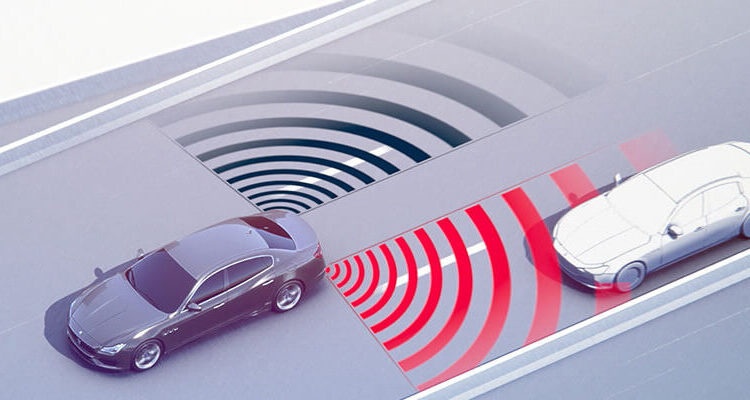
Blind spot monitoring plays a steady role in keeping traffic situations less stressful, especially when a driver relies on that quiet alert at the edge of the mirror. When the system feels slightly off, even a small change can make someone uncertain about lane shifts or tight merges. A clear sense of what signals trouble helps drivers react before the issue grows. This kind of awareness supports safe habits and keeps the system from slipping into neglect.
Many drivers look up the BSM Toyota meaning the first time the light flashes in an unusual way, and that curiosity tends to spark bigger questions about the health of the system. A few telltale signs provide helpful clues about when the alert pattern has drifted away from its normal behavior. These hints usually appear in distinct ways, and noticing them early protects precision during daily driving.
Unexpected Warning Light Behavior
A warning indicator that flickers or glows longer than usual deserves attention because it signals a mismatch between sensor input and expected performance. The alert may feel subtle, yet it can suggest that the system is receiving partial information. Drivers should watch for repeated irregular patterns because those patterns reveal reliable clues about deeper issues.
Reduced Sensitivity To Nearby Vehicles
If the system fails to notice cars that clearly sit within the blind zone, the sensors may struggle with range accuracy, increasing the risk of a vehicle collision. This change sometimes feels minor at first, though it can become distracting when lane changes feel less supported. A shift in sensitivity usually hints at sensor obstruction or misalignment. Prompt inspection can help prevent further degradation of the safety feature.
False Alerts During Clear Conditions
If the system warns about a vehicle that is not there, the sensors may interpret reflections or debris as objects. That kind of false signal tends to unsettle drivers because it interrupts smooth decision-making. When phantom alerts appear across several trips, the pattern points toward the need for expert calibration.
Issues After Minor Exterior Contact
A light scrape near the bumper or mirror can disturb components far more delicate than they appear. Even if the mark seems small, the impact can shift the angle of a sensor enough to influence detection accuracy. Any type of body contact near sensor locations should raise awareness about potential blind spot monitoring concerns.
Obvious Dirt Or Moisture On Sensor Areas
Sensors placed in the rear quarter area collect grime quickly during wet or dusty stretches. When buildup forms across those panels, the system may lose clarity because the sensor lens no longer reads its surroundings cleanly. A simple wipe can help, yet persistent trouble after cleaning points toward something deeper.
Alert Delays During Heavy Traffic
Heavy traffic presents consistent opportunities for the system to show dependable timing. When an alert feels late compared to expected behavior, the delay signals a processing issue within the unit. Drivers who spot repeated lag should consider that the system may need professional diagnostics. Such delays can reduce the system’s effectiveness in fast-changing traffic conditions.
Blind spot monitoring supports smooth driving when its alerts stay consistent and easy to interpret, and any shift in that rhythm deserves attention. Drivers who have a clear concept of the BSM Toyota meaning have a sense of what the alert represents and when expert help is the right choice. Clear signs usually appear before the system loses reliability, which makes early action worthwhile. A timely check can prevent small calibration issues from turning into persistent concerns. Professional guidance restores accuracy and helps the system feel dependable again.