
A musty odor that lingers indoors often raises concern beyond surface hygiene. Smell acts as a silent alert, hinting at hidden conditions that deserve attention. When that odor points toward mold, the message can extend far past air quality. Structural materials react to moisture in clear ways, and scent becomes one of the first clues that something deeper may need review.
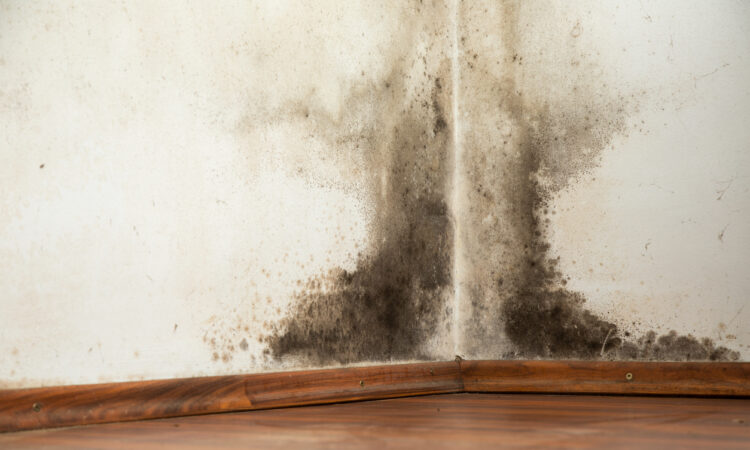
Early awareness matters because unseen moisture rarely stays contained. Once trapped, it affects framing, finishes, and air movement. A black mold smell often appears soon after moisture settles in enclosed zones, which places this scent among the earliest warning signs of potential structural stress.
Odors as Early Structural Alerts
Smell acts as a reliable signal when structural areas face distress. Wood, drywall, and insulation absorb moisture, which leads to decay and microbial growth. As moisture stays trapped, odors develop and travel through vents and open spaces. Unlike visible stains or cracks, scent reaches occupied spaces fast. That makes odor a valuable alert system. A persistent musty tone often points toward areas that stay damp for long periods, such as wall cavities or crawl spaces. Ignoring odor clues allows deeper structural issues to grow. Early response reduces repair scope and long-term expense.
Moisture Sources Hidden From View
Structural damage often starts with moisture that remains unseen. Several common sources contribute to damp conditions inside structural zones.
Frequent moisture contributors
- Roof leaks near flashing or shingles
- Pipe joints behind walls
- Poor drainage near foundation edges
- Condensation inside wall cavities
Each source allows water to seep into materials that require dryness for strength. Over time, moisture weakens wood fibers and compromises support capacity.
Why does moisture stay trapped
- Limited airflow inside wall spaces
- Dense insulation that holds water
- Sealed surfaces that prevent evaporation
When moisture stays trapped, odors develop as organic materials break down.
What Odor Location Can Reveal
The area where odor feels strongest often hints at the source. Different spaces suggest different structural concerns. A scent near baseboards may indicate moisture near floor framing or foundation edges. Odor near vents may suggest damp duct paths or attic zones. Closets often trap moisture due to limited air movement, which allows odor buildup. Mapping odor strength across rooms helps narrow inspection zones. This approach saves time and avoids unnecessary wall removal.
Structural Materials at Risk
Certain materials face a higher risk once moisture enters the structure. Wood framing loses strength as fibers absorb water. Drywall softens and crumbles after prolonged damp exposure. Insulation loses thermal value and may hold moisture against wood surfaces. Metal fasteners also suffer. Rust forms when moisture remains present, which reduces joint strength. Over time, this leads to sagging floors or uneven wall surfaces. A black mold smell often signals that several materials are already facing stress beneath surface finishes.
Professional Assessment Adds Clarity
Odor alone cannot define the damage scope. Professional services provide tools and experience that reveal what lies beneath surfaces. Moisture meters detect damp zones without wall removal. Infrared tools reveal temperature shifts that signal water presence.
Benefits of expert evaluation
- Precise moisture source detection
- Reduced guesswork
- Early repair planning
- Prevention of further spread
Professionals also recommend targeted repairs rather than broad demolition. This approach protects structural integrity while controlling cost. Many service providers address moisture control, material restoration, and odor source removal as part of one solution path. Such coordinated care supports long-term structural health.
Persistent odors often reveal more than surface discomfort. They act as early warnings of moisture stress within structural systems. Prompt response helps protect strength, safety, and property value. Professional evaluation brings clarity and precision when odors suggest hidden damage. Addressing the source early prevents deeper harm and costly repairs.